Plus a big, big sale and giveaway for the holidays, and a reminder to engage in consistent care
60% off every class, plus a giveaway
This week, every Roots & Branches workshop, every self-study class and live workshop I offer is 60% off. Just use the code HOLIDAY at checkout.
That includes Bloom: My 8 week program to build a lifelong, sustainable writing practice (and which is a steal given how much one-on-one support you get from me).
Or, for a bite-sized class that you can jump into right away, join me for Pleasure Practices for Creatives: A self-study program to help you weave more play and pleasure into your creative work, so you can tap into ease and flow (and actually enjoy the process!)
To thank you for supporting small business with your holiday gifting (or self-gifting) this year, I’m also doing a holiday giveaway:
Everyone who buys any class or product, big or small, is automatically entered into a giveaway (worth $200) for either:
a free intuitive guidance session
or a free 1:1 writing support session (where we could, for example, map out your writing goals for the year, or identify exactly what a sustainable writing routine looks like for you).
Take 60% off with the code HOLIDAY, and let me support you and your loved ones in transforming your writing lives!
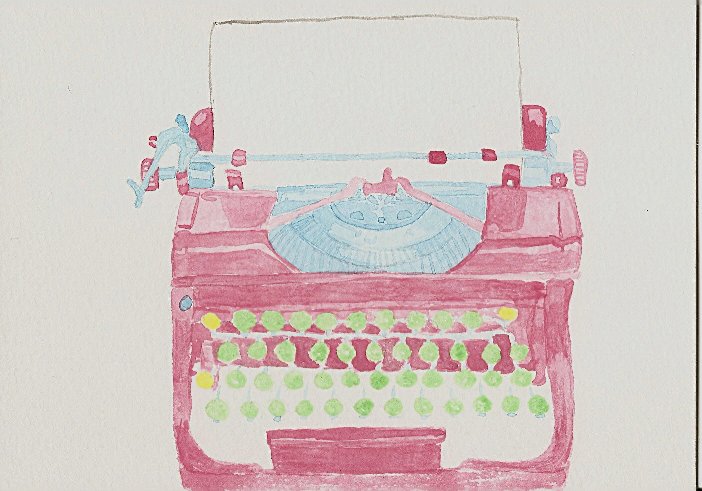
How you work changes how you feel about the work
In the last issue, I talked about claiming your identity as a writer (or other creative) and gave some ideas for ways to do that.
But there’s another thing that will help support you in becoming the creative person you want to be: Not just what you work on, but how you work.
The way you work, and think about work, helps reinforce the identity you want to build.
Here’s what I mean:
If you’re constantly stuck in a mental loop that says you aren’t doing enough, or not enough people are reading your work, or whatever else, then you’re going to look for what’s lacking, and your writing will suffer because you’re treating it (and you) like a failure right out of the gate.
If you’re only writing at times you’re tired and have no fuel in the tank, you might feel like your writing isn’t up to snuff because it’s just getting the last dregs of your energy (and that also makes writing feel like a chore).
If you push writing aside every time someone else needs something, and never put your own creativity and interests first, you might feel resentful or guilty, and might start avoiding writing altogether.
But it turns out shifting all of these habits to better serve you is just a practice (and it isn’t a very difficult one): it’s just a matter of gently introducing new ways of working, engaging in those as consistently as you can, and building on them over time.
That might look like:
Giving yourself reminders of the ways you’re already succeeding as a writer: And letting yourself daydream about what even more success/joy/fulfillment (or whatever you most want to feel) might look and feel like if it were happening right now.
I know I talk a lot about journaling but for real, that last sentence is a fantastic journaling prompt (the more you can feel into it, let your excited emotions flow, and get specific, the better!)Setting aside a time block (even just a few minutes) during a time you’re more “on” during the day to devote to writing: And sticking to it, even when you’re busy.
Weaving pleasure and play into your work: I go into this a lot more in pleasure practices (and in this newsletter issue), but basically you’re introducing things you love during and around your writing time so that writing becomes associated in your mind with nice, luscious, relaxing, enjoyable things.
Thinking about how you work, and how that shapes your relationship to what you create, is all part of building a lifelong creative ecosystem that is deeply refreshing, nourishing, and exciting to engage with.
I view writing as an act of consistent care and support: We maybe don’t think of reciprocity as extending to the self, but I exist in reciprocal relationship with my work.
My writing supports and nourishes me, and I do the same with it. When I feel drained, or like something isn’t working, I reflect on my practice and listen to my intuition so I can reconnect with my work: And so I can continue to share ideas that continue to build my writing practice and career, while the act of creating and sharing continues to nourish and excite me.
 Roots and Branches
Leave a comment